Generative Adversarial Networks (GANs), Transformers (the technology behind GPT models), and Diffusion Models (such as Stable Diffusion) are the core engines of Generative Artificial Intelligence (GenAI). Although the underlying research is decades old, these tools have only become truly accessible and disruptive in the last four to five years. Today, they allow business owners to create professional content, automate operations, personalize customer experiences, and develop new products, often with little to no technical expertise. This technology is leveling the playing field, giving nimble businesses the power to compete with much larger competitors while saving time and money.
The foundations of generative AI go back to the 1950s and 1960s with early rule-based systems, but real breakthroughs arrived in the 2010s. In 2014, Ian Goodfellow and his colleagues introduced Generative Adversarial Networks (GANs), where two neural networks compete against each other, one generating content and the other evaluating its realism to produce highly convincing images, audio, and data. Around the same time, diffusion models emerged, later refined to create stunning, high-resolution visuals by learning to remove noise step by step.
The pivotal moment came in 2017 with the Transformer architecture, which revolutionized how machines understand and generate human language. This led to the rapid development of large language models like OpenAI’s GPT series. The public explosion happened in late 2022 with the release of ChatGPT, followed by accessible image tools like DALL-E and Stable Diffusion. What was once reserved for research labs is now available through simple web interfaces and apps
Everyday Uses for Business Owners
Generative AI works by turning simple text prompts into useful outputs, whether text, images, code, video, or data insights. Business owners can start benefiting immediately by:
- Content Creation: Use tools like ChatGPT, Claude, or Gemini to write product descriptions, email newsletters, blog posts, social media captions, and even full marketing campaigns. A well-crafted prompt can produce ready-to-use copy in seconds.
- Visuals and Design: Tools like Midjourney, DALL-E, or Stable Diffusion generate product photos, logos, banners, packaging mockups, and lifestyle images eliminating the need for expensive photoshoots or designers.
- Automation and Personalization: Integrate AI into your workflow with no-code tools like Zapier to build chatbots, create personalized recommendations, forecast inventory, or draft customer replies.
- Rapid Prototyping: Generate business plans, pitch decks, financial summaries, or new product ideas quickly.
The best approach is to start small. Spend 15–30 minutes a day experimenting with free or low-cost versions of these tools. Always review and edit the output for accuracy, brand voice, and legal compliance. Many small businesses already report significant time savings and efficiency gains from these practices.
Real-World Impact Across Industries
Generative AI is especially powerful because it can be applied across almost every sector:
E-commerce
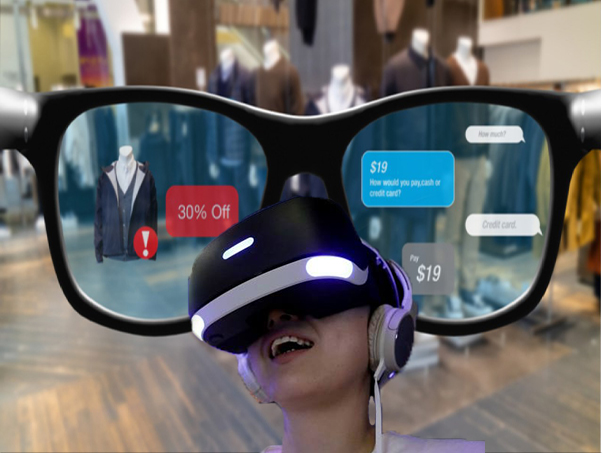
AI can generate hundreds of SEO-optimized product descriptions, create dynamic pricing suggestions, power 24/7 chat support, and produce virtual try-on experiences or lifestyle imagery. This leads to higher conversion rates, fewer returns, and the ability to manage large product catalogs without a big team.
Fashion
Small designers and boutiques use AI to generate new patterns, color variations, and complete collections in hours rather than weeks. Virtual try-on features and trend-forecasting tools help create hyper-personalized styling recommendations, allowing boutique brands to move as fast as big fashion houses.
Healthcare and Wellness
Clinics, therapists, and wellness coaches use GenAI to create patient education materials, customized nutrition or exercise plans, appointment reminders, and simplified reports. Administrative tasks are streamlined, giving practitioners more time for actual care (always with proper human oversight and regulatory compliance).
Education
Tutors, coaches, and online course creators generate personalized lesson plans, quizzes, worksheets, explainer videos, and adaptive learning paths. This makes one-on-one style teaching scalable without hiring additional staff.
Finance
Small advisory firms, accountants, and fintech startups leverage AI for cash-flow forecasting, invoice processing, personalized financial summaries, fraud pattern detection, and investor pitch materials. It makes professional-grade tools affordable for businesses of any size.
Across all these fields, the common benefits are faster content creation, deeper customer personalization, reduced operational costs, and accelerated innovation.
The Path Forward for Small BusinessesGenerative AI is no longer a futuristic concept, it is a practical, accessible toolkit that smart small business owners are already using to scale efficiently. By automating repetitive tasks, boosting creativity, and delivering personalized experiences at scale, it helps businesses grow revenue while keeping overhead low.
The key is to begin with a specific pain point, whether it’s marketing content, customer support, product design, or administrative work, and experiment consistently. Treat AI as a capable assistant rather than a replacement for human judgment. Combine its speed and creativity with your unique expertise and values.Businesses that embrace generative AI early will build stronger customer relationships, reduce costs, and stay competitive in an increasingly fast-moving market. The future belongs to agile owners who turn these powerful tools into their greatest advantage. Start today, iterate daily, and watch your small business scale beyond what once seemed possible.