Every day billions of people browse websites, stream videos, send messages, and run businesses online — yet most of us never stop to ask how the internet actually works. Understanding the basics helps you make smarter decisions as a consumer, entrepreneur, and digital citizen.
What Is the Internet, Really?
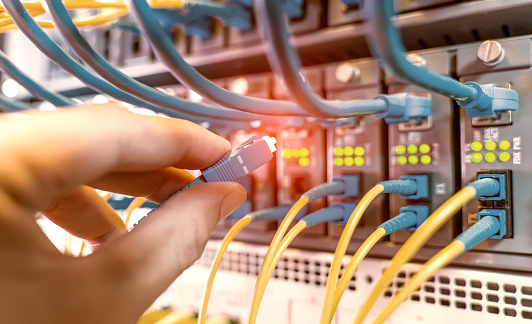
The internet is a global network of connected computers that communicate using agreed-upon rules called protocols. It is not a single company or a cloud in the sky — it is infrastructure: cables, routers, servers, data centers, and wireless links working together to move information from one device to another in fractions of a second.
When you visit a website or open an app, your device sends a request through your internet service provider (ISP), across backbone networks, to a server somewhere in the world that stores or generates the content you want. The response travels back the same way.
The Key Building Blocks
Devices
Your phone, laptop, smart TV, or server is an endpoint on the network. Each device connected to the internet has an IP address — a unique identifier that tells the network where to send data.
ISPs (Internet Service Providers)
Companies like MTN, Vodafone, Starlink, or local fiber providers connect your home or business to the wider internet. They are the on-ramp.
Routers and Switches
These devices direct traffic efficiently, like postal sorting centers for digital packets. They decide the best path for data to travel across the network.
DNS (Domain Name System)
DNS translates human-friendly names like ehadzah.com into IP addresses computers understand. Without DNS, you would have to memorize numbers instead of typing website names.
Servers and Data Centers
Websites, apps, emails, and files live on servers — powerful computers designed to store data and respond to requests 24/7. Large platforms operate massive data centers with thousands of servers.
Protocols
TCP/IP, HTTP, and HTTPS are the languages devices use to connect and exchange information securely. HTTPS, for example, encrypts data between your browser and a website — look for the padlock icon when entering sensitive information.
How a Web Page Loads (Simplified)
When you type a URL and press Enter
Your browser asks DNS to find the server's IP address for that domain.
Your device sends an HTTP/HTTPS request to that server through your ISP.
The server processes the request and sends back HTML, images, scripts, and styles.
Your browser assembles everything and renders the page you see.
This entire process often completes in under a second — even when the server is on another continent.
Why This Matters for Business Owners
Understanding the internet helps you
- Choose reliable hosting and domain providers for your website.
- Appreciate why website speed, mobile optimization, and security (SSL/HTTPS) matter.
- Understand outages — if DNS fails or a server goes down, your site becomes unreachable even if your code is fine.
- Make informed decisions about cloud services, email providers, and e-commerce platforms.
- Communicate clearly with developers and IT partners about what you need.
Common Terms Every Netizen Should Know
- Bandwidth: How much data can flow through a connection at once — affects streaming and download speed.
- Latency: The delay before data starts arriving — important for video calls and online gaming.
- Cloud: Services and storage accessed over the internet instead of on your local device.
- CDN (Content Delivery Network): Copies content closer to users worldwide for faster loading.
- Firewall: Security layer that filters incoming and outgoing network traffic.
Being a Responsible Netizen
With connectivity comes responsibility
- Use strong, unique passwords and enable two-factor authentication.
- Be skeptical of phishing links and unsolicited attachments.
- Respect copyright and privacy when sharing content.
- Understand that what you post online can persist long after you delete it.
Take Home
The internet is not magic — it is engineering. Cables, servers, protocols, and routers working at scale. You do not need to become a network engineer, but knowing the basics makes you a more capable business owner and a smarter user of digital tools.
The next time your website loads, a payment goes through, or a customer finds you on Google, you will know the invisible infrastructure making it all possible.